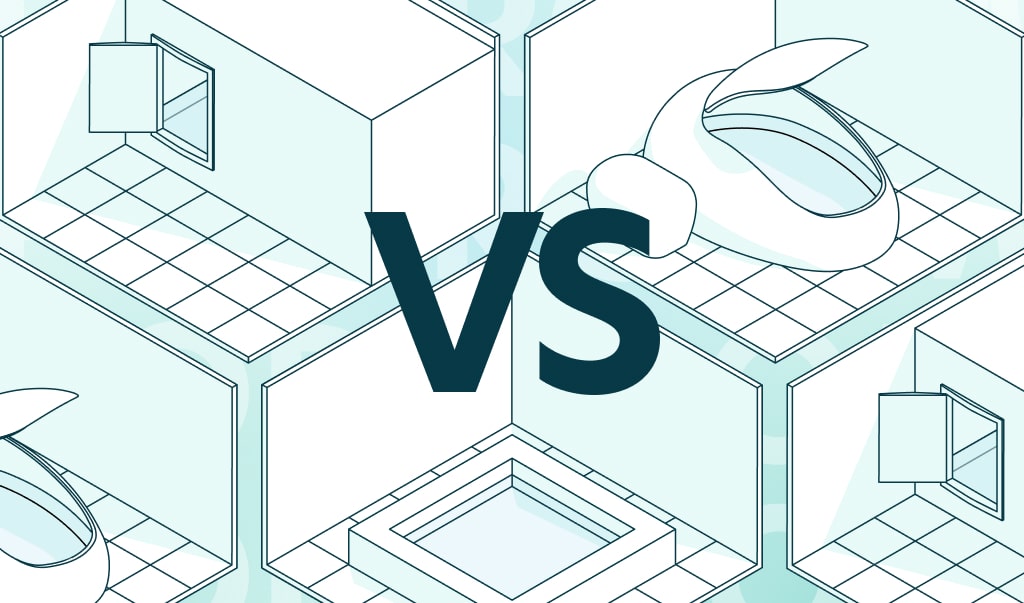
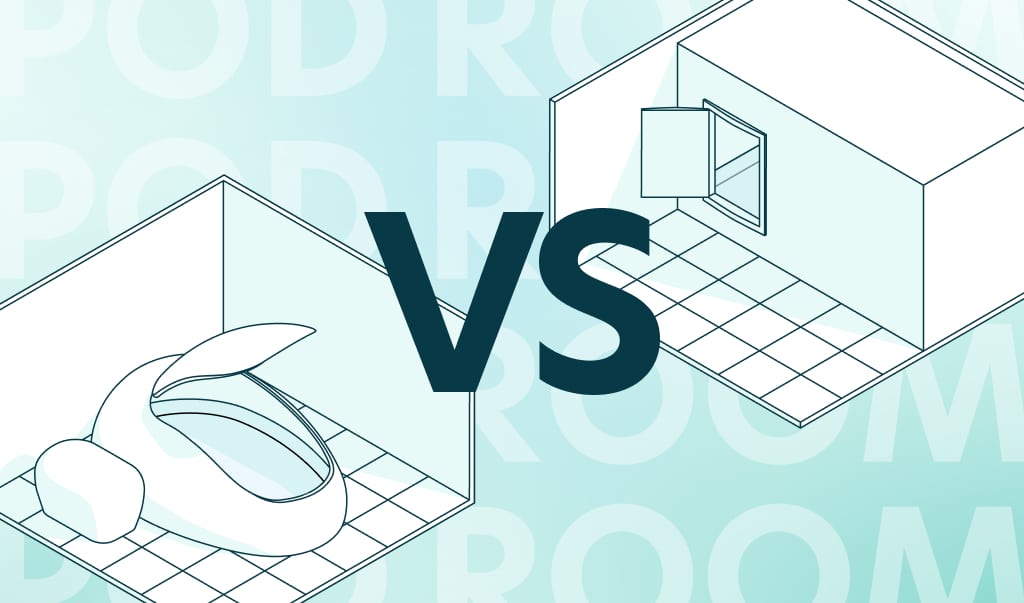
First impressions
Why float rooms feel more inviting
What real-world feedback suggests
When people first hear about floatation therapy, many still imagine something small, enclosed, and intimidating. That first impression really matters. Before someone can experience the benefits of floating, they first need to feel comfortable and reassured enough to try it.
This page brings together real-world feedback that helps explain why first impressions of float rooms are often very different from first impressions of enclosed tanks or pods.
It is not a technical comparison. It is about something more immediate: how people respond when they first see the space they are being invited to float in.
This article supports our Float tank comparison guide and wider floatation therapy content by exploring why openness and first impressions matter.
Why first impressions matter
Floatation therapy can offer deep physical and mental relaxation, and a rare feeling of complete release. But none of that matters if the environment itself feels too intimidating to enter.
For many people, the biggest barrier is not the water, the silence, or the idea of floating. It is the perceived enclosure of the tank.
That is why first impressions matter so much. The design of the float environment influences whether people feel curious, hesitant, reassured, or anxious before the session has even begun.
For float centre owners and prospective buyers, this is not a minor detail. It can shape client confidence, first-time willingness to try, and the overall approachability of the experience.
of 200 people said they would be more likely to try the Ocean Float Room
Based on informal survey feedback gathered over time when different floatation designs were shown.
preferred the float room when starlight imagery was shown
A reminder that atmosphere and presentation can strongly shape first impressions.
What real-world feedback has shown
One useful piece of evidence comes from René Gendron, a prospective float centre owner in Ontario, who carried out an informal survey over the course of a year whenever he had the opportunity to show people different floatation designs and ask which they would be more likely to try.
Using results from 200 people, 180 chose the Ocean Float Room as the design they would be more likely to try. That equals 90%. In an earlier email, René also noted that the result rose to 94% when people were shown float room photos with starlight.
This is not presented as formal scientific research. But it is still valuable. It suggests that when people are shown different floatation formats, the more spacious, room-like design can strongly influence which option feels most approachable.
What people were reacting to
The language recorded alongside the survey feedback is especially revealing. Some enclosed tank designs were (perhaps unfairly) compared to a coffin, an oven, or a tomb. Others did not like the idea of climbing into capsule or pod style tanks and closing a hatch above them. Others were OK with this, and liked the look of the pods, but still chose the float room.
That is important, because it shows the issue is not only technical. It is emotional and instinctive. It also shows that people who like the pod are also attracted to the float room, but not the opposite. Float rooms are universally appealing.
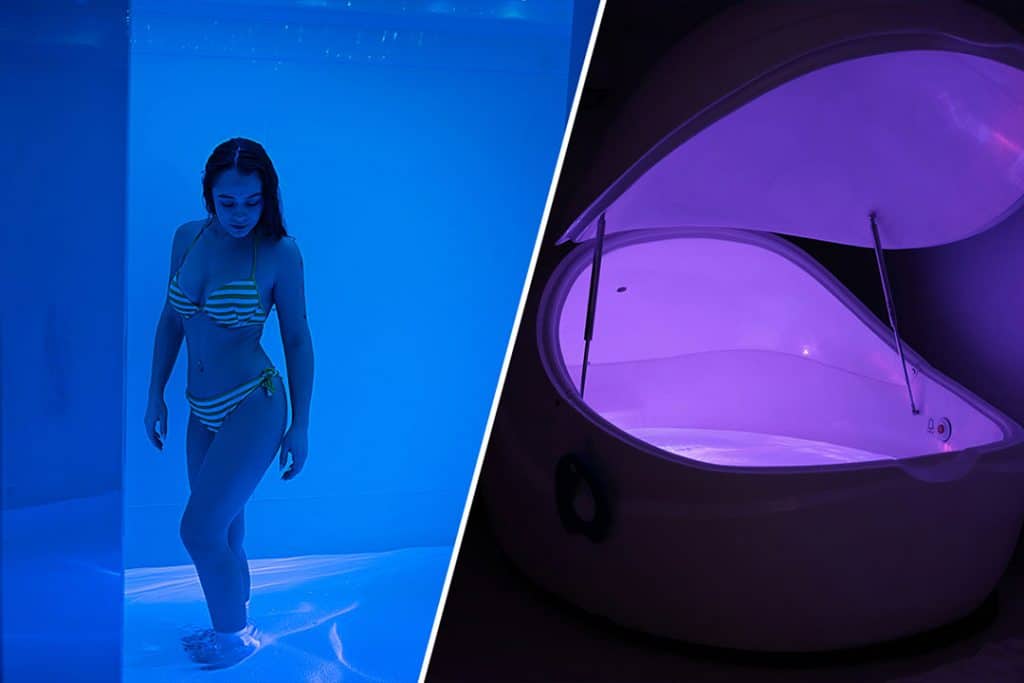
A walk-in float room changes that first impression. Instead of appearing sealed, cramped, or difficult to enter, it feels more like a calm private room. That shift in perception can be the difference between hesitation and willingness.
Why this matters for claustrophobia
This is one reason claustrophobia remains such a critical part of the floating conversation. Many people are not reacting to floatation therapy itself. They are reacting to what they imagine the environment will feel like.
That is also why modern float room design makes such a difference. Standing room, full-height interiors, normal door access, soft lighting, and a more spacious visual impression all help convert fear and hesitation into calm and expectation before the session even begins.
For a deeper look at that topic, read our guide to Claustrophobia and floating: why float rooms feel more open.
Phil’s story points to the same pattern
The same theme appears in Phil Steward’s story.
Phil describes how his first float was in an older enclosed tank that felt genuinely claustrophobic, and how later, when opening his own clinic, his partner Ellie would not consider getting into a tank because she was claustrophobic. The turning point came when they discovered a float room.
He describes it as feeling more like a small sauna than a tank, with a good two metres of internal height and the space to stand comfortably. He also says many clients admitted they had imagined “a box with a lid” and were relieved by how open and welcoming the float room felt.
This makes his story valuable not only as a personal account, but as another example of how much design shapes first reactions.
A recurring theme in both customer reactions and Phil Steward’s real-world experience.
What this means for float centre owners
For prospective float centre owners, these first impressions have clear commercial significance.
If more people feel comfortable trying a float room in the first place, that can influence how easy floating is to explain to new clients, how reassured people feel during a centre tour, how approachable the experience feels to first-time floaters, and how many hesitant visitors become willing to book. Further afield, through float friends, family, and associates, the good news also reaches the many people who previously, due to strong feelings of claustrophobia, would never have considered floating, let alone visit a centre.
In other words, openness is not simply an aesthetic preference. It can influence whether people feel ready to experience floatation therapy at all.
To compare the wider practical and commercial differences, read our Float tank comparison guide.
What this means for float centre owners
For prospective float centre owners, these first impressions have clear commercial significance.
If more people feel comfortable trying a float room in the first place, that can influence how easy floating is to explain to new clients, how reassured people feel during a centre tour, how approachable the experience feels to first-time floaters, and how many hesitant visitors become willing to book.
In other words, openness is not simply an aesthetic preference. It can influence whether people feel ready to experience floatation therapy at all.
To compare the wider practical and commercial differences, read our Float tank comparison guide.
What this means for first-time floaters
Many first-time floaters arrive with the expectation that the experience will feel small, dark, or enclosed. This initial perception is common.
But this feedback suggests that once people actually see, or even hear about a float room, those expectations can change very quickly. The space feels more open. The experience becomes easier to understand. And the fear of being trapped is often replaced by a sense of relief.
That shift in perception is one of the reasons modern float rooms feel so different from the outdated image many people still carry in their minds.
Conclusion
This page is not formal scientific research, and it is not intended to be presented as such. What it offers is something more practical: a clear picture of how real people responded when shown different floatation designs.
That feedback suggests something important. The design of the float environment shapes willingness to try.
When people see a walk-in float room, many find it more inviting, more spacious, and easier to imagine themselves using. That matters for nervous first-time floaters, for people with claustrophobia concerns, and for businesses choosing the kind of float experience they want to offer.
Related articles
Explore more on float room design and first-time confidence
Continue exploring the topics that shape comfort, openness, and first impressions.