Client story
The Forge Therapy Centre, Devon
Building calm inside an award-recognised 200-year-old Devon retreat.
This case study explores the installation of a three-room float centre in Devon, including two single float rooms and one double float room, within a carefully restored 200-year-old building.
The project required careful planning, close collaboration, and a balance between preserving the character of the property and creating a modern, reliable float environment for clients.
Less than 12 months after opening, The Forge Therapy Centre & Float Rooms was named winner of Best Family Business at the 2026 Health and Wellbeing Awards and shortlisted as a finalist for Best Wellbeing Specialist in the Devon Muddy Stilettos Awards 2026.
It shows how thoughtful layout, installation planning, and ongoing support can help shape a float centre that operates reliably, feels genuinely premium, and makes a strong impression from day one.

Featured client: The Forge Therapy Centre, Devon
Project type: New float centre installation
Float rooms installed: 2 × Single Float Rooms and 1 × Double Float Room
Vision and planning
When Toby and Lily set out to create The Forge Therapy Centre, they were not simply opening another wellness business. They were bringing to life a space rooted in care, intention, and respect for the building itself.
Their vision centred on a carefully designed environment featuring two single float rooms and one double float room, allowing the centre to offer both individual floating experiences and the option to float together.
From their first conversation, the focus was not only on how the space would look, but how it would feel and function. Room flow, client movement and privacy, practical staff use, and long-term operation all played a role in shaping the final plan.
Float room layout and design
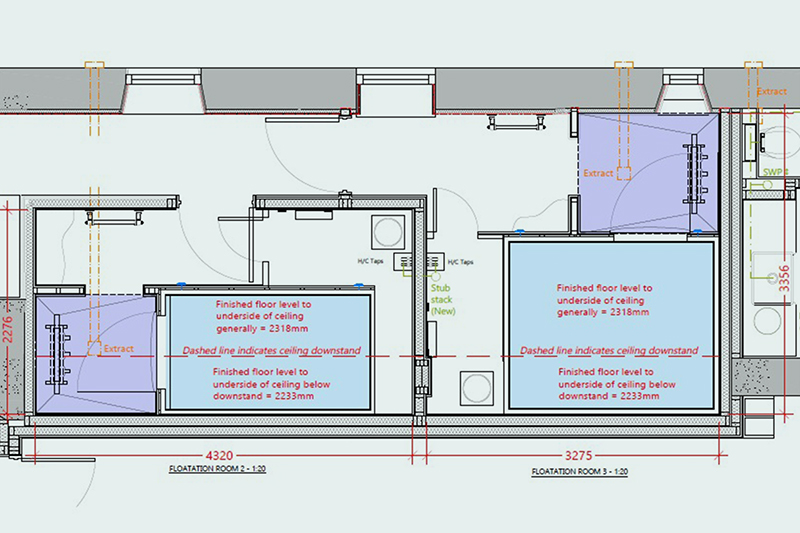
Planning the layout was a key part of the project. Working within the constraints of a 200-year-old building, the Ocean Float Rooms team collaborated closely with architect Luke Sutton, RIBA, of Roderick James Architects to carefully position each float suite — considering client flow, privacy, sound, shower placement, and ease of operation.
Together, they worked through the technical and spatial details needed to support a successful float centre, including soundproofing, electrical preparation, plumbing requirements, and the placement of showers and changing areas.
Installation process
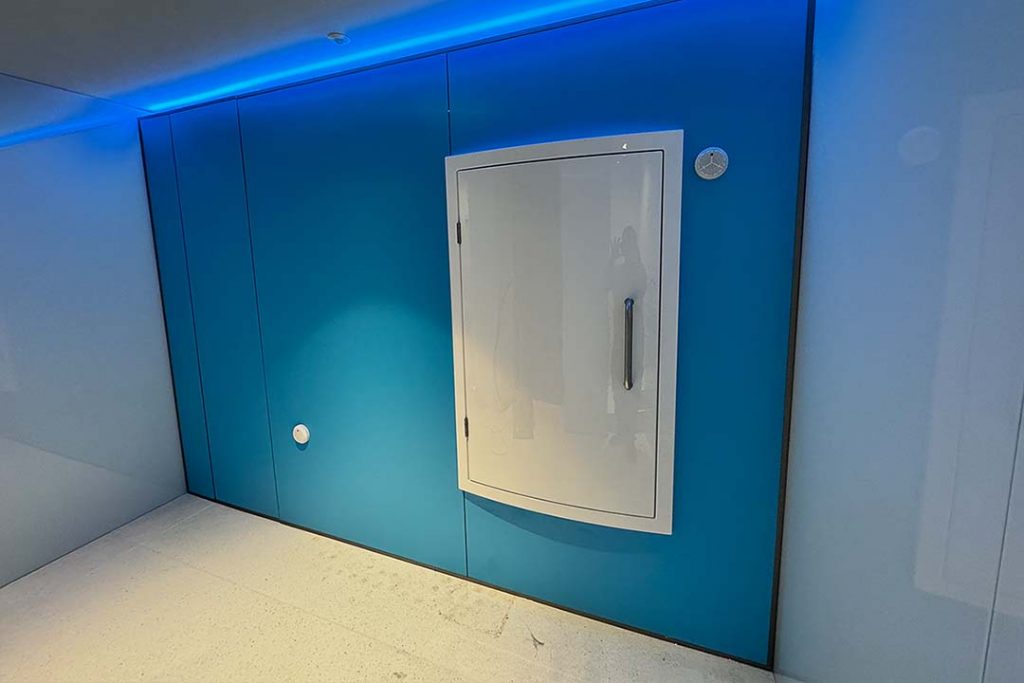
When the installation team arrived, the building was still undergoing renovation — bare walls, scattered tools, and active building work still visible, but the structured installation process allowed rapid progress. Despite this, all three float rooms were assembled on the first day, reflecting a process developed through years of experience installing Ocean Float Rooms in a wide range of buildings.
Over the following days, the team completed:
- Structural cabin assembly
- Electrical installation
- Filtration system setup
- Technical door fitting
- Preparation for commissioning
Toby and Lily chose unfinished cabins so their own tiling and interior finishes could be added later. This allowed each float room to sit seamlessly within the wider float suite, while ensuring the core float room structure and technical systems were ready to perform from the moment the doors opened.

Training and ongoing support
A few weeks after the main installation, once further building work had progressed, the team returned to commission the float rooms and ensure each system was fully operational before the centre welcomed its first clients.
During this visit, Toby and Lily received hands-on training covering:
- System operation
- Water testing and maintenance
- Session cycle management
- Day-to-day running of the float rooms
Support continued after opening, giving Toby and Lily a knowledgeable partner to rely on as the centre moved from build stage into daily operation.
The result
The Forge Therapy Centre hit the ground running and is already making a strong impression within the local community.
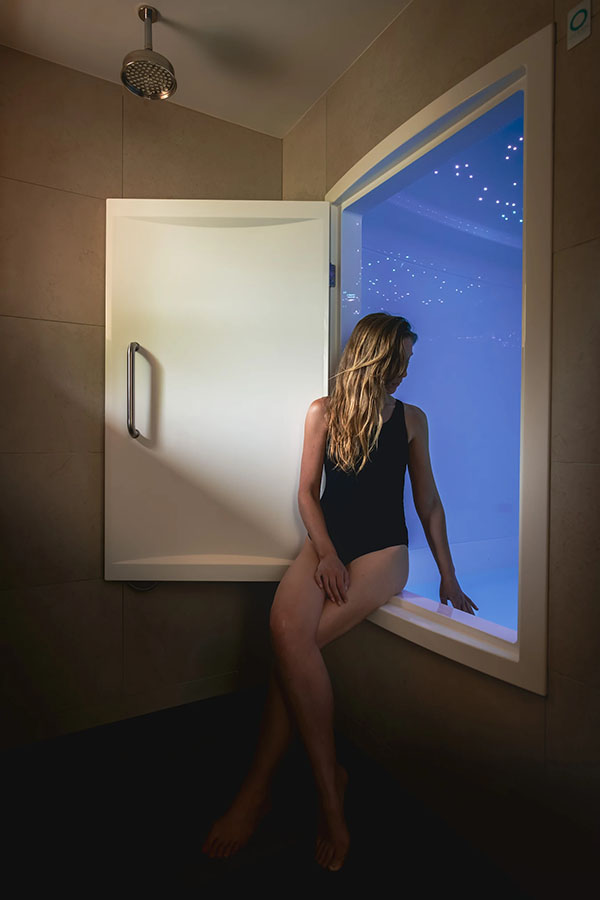
The completed space combines modern float room technology with the character of its historic Devon setting, creating an environment that feels premium, peaceful, and reassuring — especially for those floating for the first time.
Award recognition
Within 12 months of opening, The Forge Therapy Centre & Float Rooms was named winner of Best Family Business at the 2026 Health and Wellbeing Awards.
The category recognises a family-owned enterprise that demonstrates strong leadership, innovative practices, and an outstanding contribution to both its industry and community. For Toby and Lily, the award reflects the care, intention, and family-led vision behind The Forge: a tranquil Devon retreat shaped around therapy, floatation, practitioner support, and client wellbeing.
The Forge has also been shortlisted as a finalist for Best Wellbeing Specialist in the Devon Muddy Stilettos Awards 2026, a further sign of the impression the centre has made locally in its first year.
Ocean Float Rooms is proud to have been part of this project, from early planning and layout discussions through to installation, commissioning, training, and ongoing support.
Together, the award win and finalist recognition add to what this case study already shows: when a float centre is carefully planned around client experience, operational practicality, and the right room configuration, floatation therapy can become a meaningful part of a distinctive and award-recognised wellbeing business.
Early client reactions
Early client feedback has also reflected the atmosphere Toby and Lily set out to create, with visitors responding to the sense of peace, care, and escape within the completed centre.
Why this layout works
The success of the centre also reflects the thinking behind the room configuration.
The combination of two single float rooms and one double float room creates a flexible and commercially effective setup for a float centre.
This layout allows operators to:
- Offer both individual and shared floating experiences
- Support first-time clients who may prefer to float together
- Provide a broader mix of booking options
- Increase utilisation across different customer types
- Balance premium shared sessions with regular individual floats
For a new centre, this kind of configuration can support both client comfort and business flexibility. It gives the centre more ways to meet demand and serve a wider range of clients from day one.
What this project shows
The Forge project highlights two significant considerations for future float centre owners.
A historic or unusual building can become a successful float centre when planning starts early. Layout matters as much as equipment, especially when considering client flow, shower access, sound, privacy, and day-to-day staff operation.
The project also shows the value of choosing a room mix that matches the client experience the operator wants to create. By combining single and double float rooms, The Forge can welcome solo floaters, couples, friends, and first-time clients who may feel more reassured by a shared experience.
If you are comparing formats more broadly, our float tank comparison guide and space comparison guide explore those differences in more detail.
Technical summary
Installation timeline
6 days for structural installation, plus a later commissioning visit.
Float rooms installed
2 × Single Float Rooms
1 × Double Float Room
Building
200-year-old Devon property undergoing full restoration.
Room finishing
Supplied in an unfinished format so the client could complete their own tiling and finishes, allowing each float room to fit seamlessly into the wider float suite.
Core systems installed
- Filtration systems
- Electrical installation
- Structural cabin assembly
- Technical doors
Support provided
- Architectural collaboration
- Site planning and preparation discussions
- On-site commissioning
- Operational and maintenance training
- Ongoing support from the UK agent
Conclusion
The Forge Therapy Centre demonstrates how careful planning, the right float room configuration, and experienced support can come together to create a float centre that is both operationally strong and highly appealing to clients.
For Toby and Lily, the result is a calm, carefully considered space that reflects the character of the building while offering the comfort, reliability, and flexibility of modern Ocean Float Rooms.
Related articles
Explore more float room case studies and guides
Continue exploring real client stories and practical guides that shape float room design, comfort, layout, and centre performance.